Every hunter I know remembers the search for their first rifle. It isn't a casual purchase — done right, it's something you'll carry into the field for the next twenty years. That's worth more thought than just buying whatever the shop happens to have in stock.
Caliber: versatility over specialization
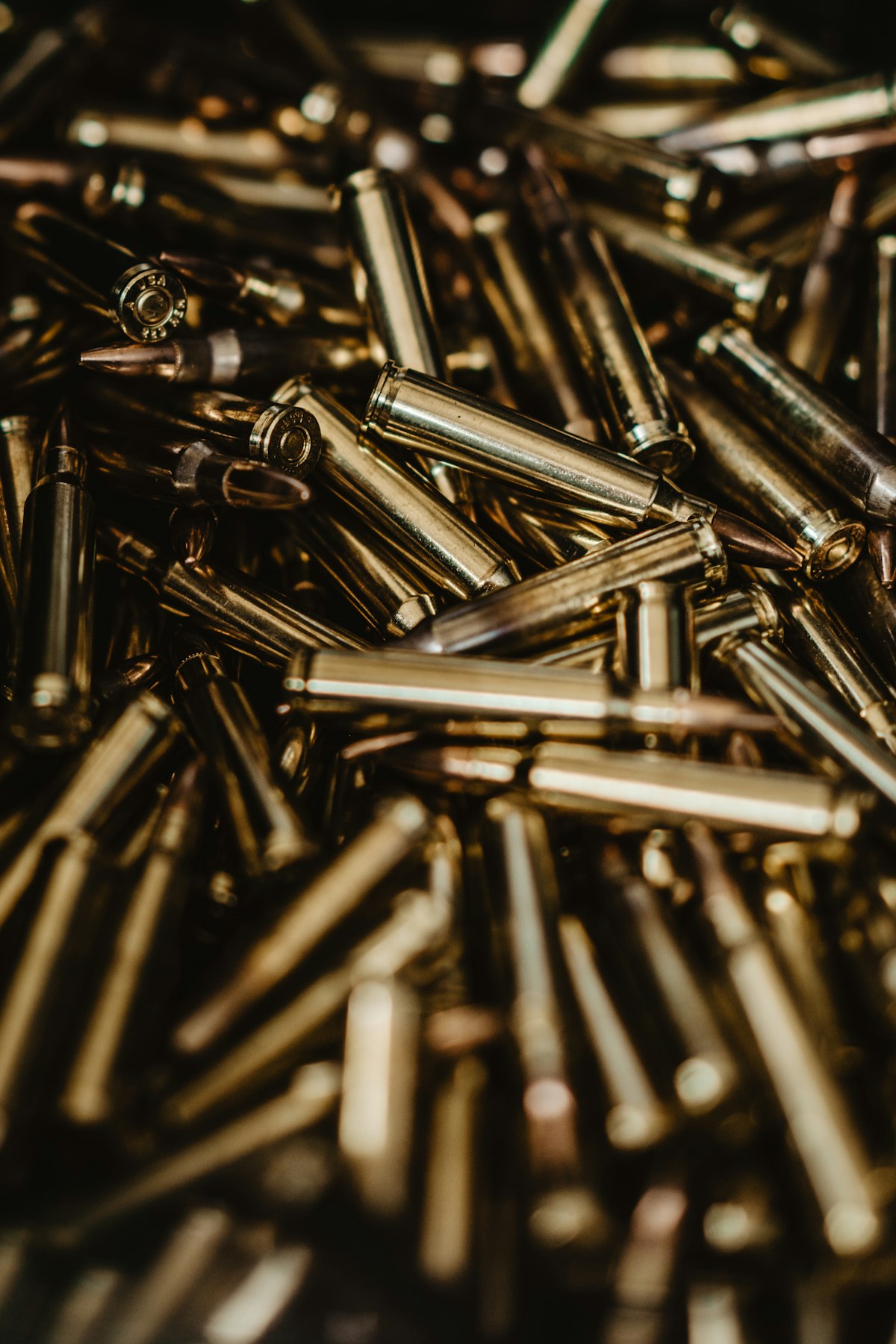
For a first rifle, versatility matters more than specialization. A caliber like .308 Winchester is a common starting choice across much of Europe, precisely because it handles most of the game an average hunter will encounter — from roe deer to wild boar — and because ammunition is widely available almost everywhere. That doesn't make it objectively "the best" caliber; it makes it a sensible starting point while you're still figuring out what kind of hunting you'll do most. If you're unsure, ask experienced hunters in your own region what they use for the game you'll actually be pursuing.
Stock fit and ergonomics: try before you buy
A rifle that doesn't fit you will never shoot well, no matter how good the barrel is. Stock length, comb height, and weight all determine how quickly and naturally the rifle comes up to your shoulder. More manufacturers now offer adjustable stocks, letting you tune length of pull and comb height — useful while you're still working out what suits you. Go to a shop, hold the rifle, mount it to your shoulder with winter clothing on, and only then judge whether the fit is right. Buying a first rifle online off a spec sheet alone is not a good idea.
Action type: bolt-action is the default
For beginning hunters in Europe, a bolt-action rifle is by far the most common choice: reliable, simple to maintain, and available across virtually every caliber and price range. Semi-automatic rifles exist too, but often come with extra regulatory restrictions depending on the country. Start with what the majority of experienced hunters around you use, and build knowledge from there.
Budget: not the place to go cheap
A good hunting rifle is a real investment, and that's exactly why it isn't the place to buy the cheapest option available. A reliable rifle from an established maker will last decades with normal care, so it's worth calculating cost over that whole lifespan rather than just the purchase price. Don't forget the costs around it either: a scope, mounting, a proper safe, and ammunition for practice. Added together, those shape your total budget almost as much as the rifle itself.
Check your license requirements first
This is the step that's easiest to skip, and the most important one: firearms regulations — licensing, permitted calibers, and rifle types — vary significantly across European countries and change over time. What's a standard purchase in one country can require extra permits, or simply not be allowed, in another. Don't rely on a forum post or a shop abroad for this. Contact your national hunting association or the licensing authority in your own country, and get your paperwork sorted before you pick a rifle, not after.
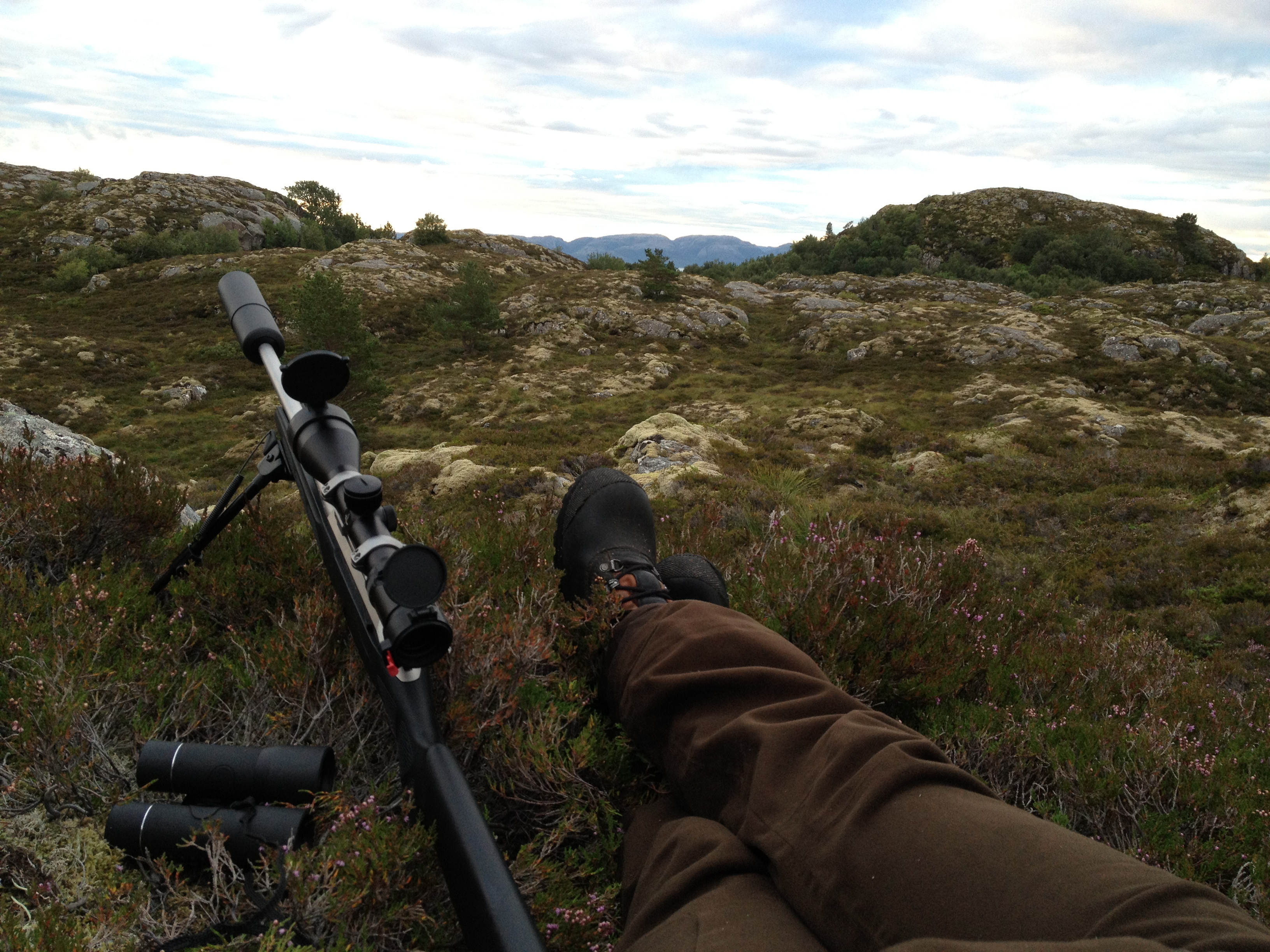
I ended up choosing a Sako S20 Camo in .308 Winchester myself, after months of comparing and trying different rifles — a choice that worked for me, not necessarily for you. Take your time, try several rifles, and don't let a sale price rush the decision.
Photo: Robert Harley Mostad, via Wikimedia Commons (CC BY 2.0)