Your first season hits different from every one after it. You've done the coursework, you've put in range time, but there's a gap between knowing what to do and actually doing it out in the field. Most of the trouble beginning hunters run into isn't about marksmanship — it's about preparation that could have been sorted at home.
Paperwork you actually need on you
Your hunting licence (whatever form that takes where you hunt) and your liability insurance don't belong in a drawer — they belong in your jacket pocket. Whether or not you get checked, you don't want to be figuring out mid-season whether your cover is still valid. Confirm your permit actually covers the ground and the species you're planning to hunt, too — that's a separate question from simply holding a valid licence.
Firearm storage and transport
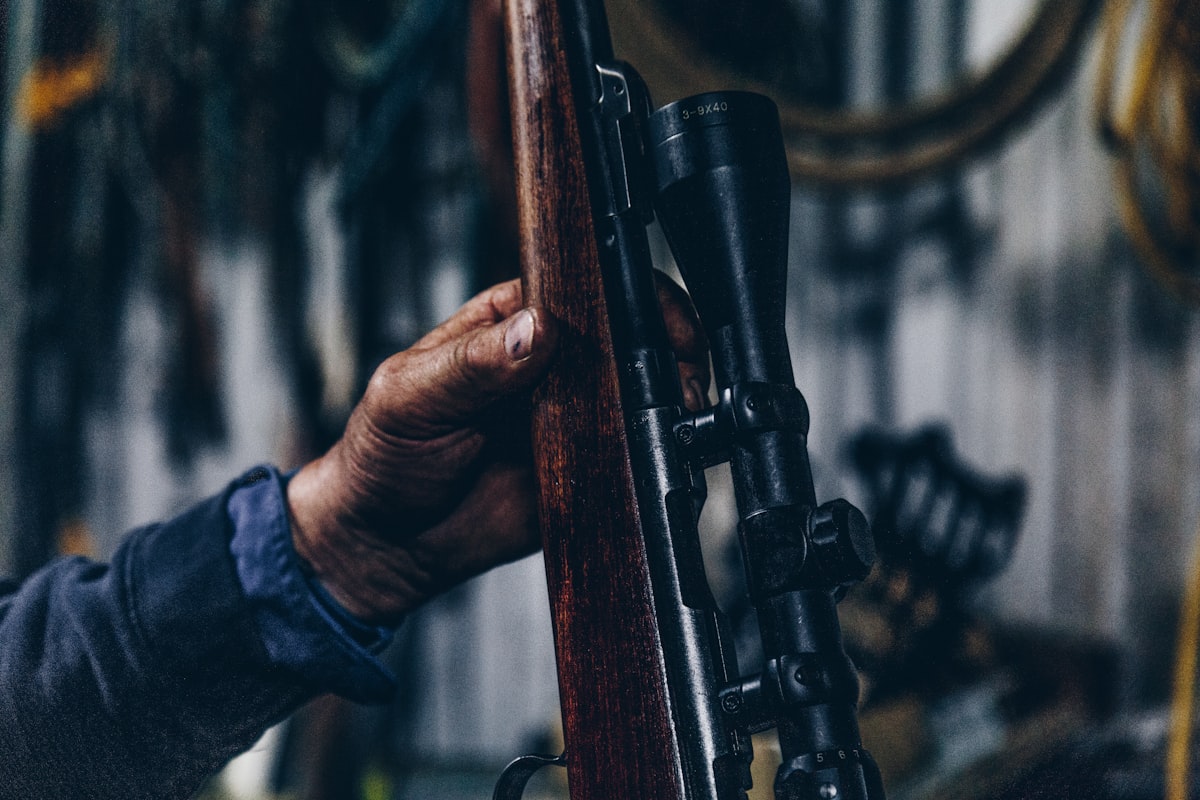
On the way to and from the field, your firearm belongs in a locked case, unloaded, with ammunition carried separately. That's not paperwork for its own sake — it's the baseline that keeps a routine trip from turning into an incident. At home, the same logic applies: an approved gun safe, ammunition kept apart. If that's not sorted before the season starts, it's the first thing to fix, not a task for later.
First aid that fits field conditions
A plaster from the kitchen drawer isn't a field kit. You want a pressure bandage, a tourniquet if you're trained to use one, disinfectant, and something to cover a cut until you can get proper care. Most field injuries come from processing game, not from firearms — build your kit around that reality.
Checking core temperature when field-dressing
Once an animal is down, the clock starts running on food safety. A basic meat thermometer takes the guesswork out of it — you want to know the meat is cooling fast enough, especially in warm weather. It's not an extra, it's the same routine check you'd run in a kitchen, just outdoors with less control over the conditions.
Clothing and staying reachable
Weather in the field shifts faster than the forecast does. Layers, something waterproof, and boots that can handle hours of standing and walking. And don't assume you'll have signal — plenty of hunting grounds have none. A two-way radio with the people you're hunting with, or at minimum an agreed time and place to regroup, isn't overcautious, it's basic planning.
The checklist
- Hunting licence/permit and liability insurance on your person
- Firearm transported unloaded and locked, ammunition separate
- Gun safe at home in order
- First-aid kit with bandaging, disinfectant, and a tourniquet if trained
- Meat thermometer for checking core temperature when field-dressing
- Layered clothing and waterproof boots
- Two-way radio or an agreed communication plan for areas with no signal
- A good knife and gloves for processing game
None of this is complicated. It mostly comes down to sorting it once before the season opens, so your attention in the field goes to the hunt, not to what you forgot.
Photo: California Department of Fish and Wildlife, via Wikimedia Commons (CC BY 2.0)